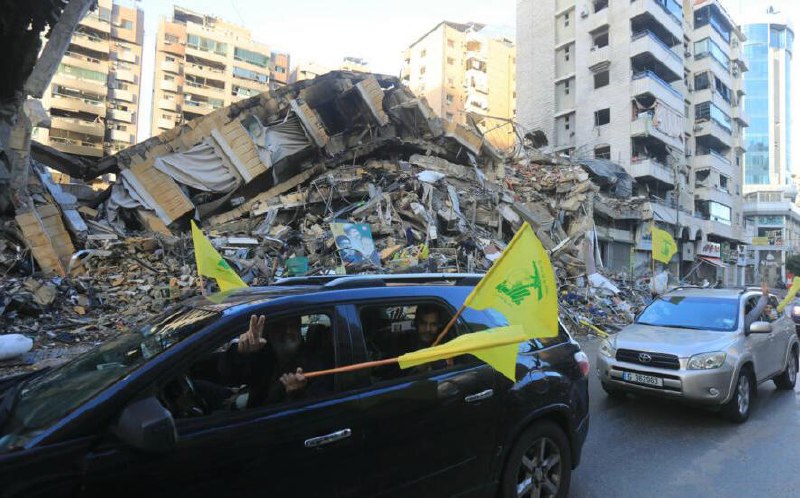
The timeline below summarizes the key events that took place in Lebanon from 17 September the day of the pager and wireless device explosions up to the day the ceasefire agreement came into effect.

The timeline below summarizes the key events that took place in Lebanon from 17 September the day of the pager and wireless device explosions up to the day the ceasefire agreement came into effect.
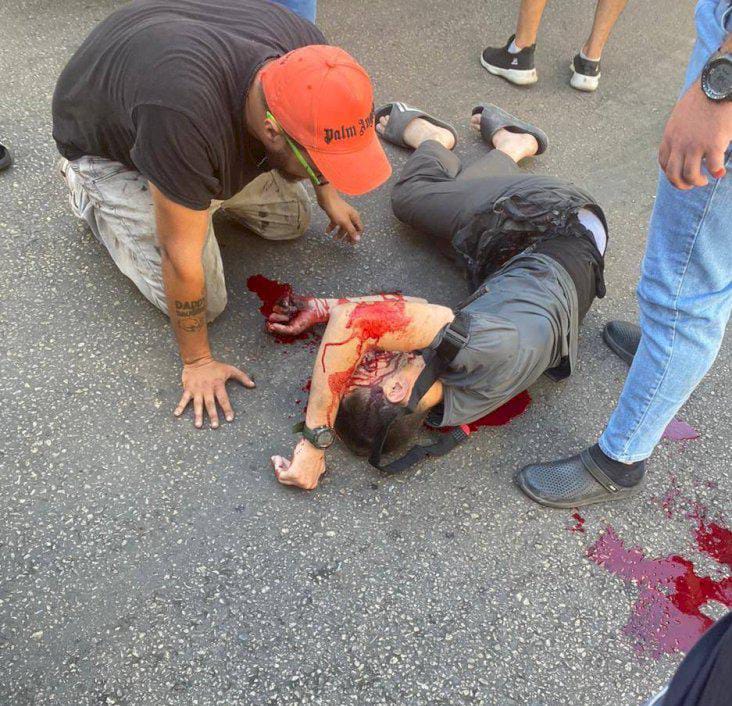
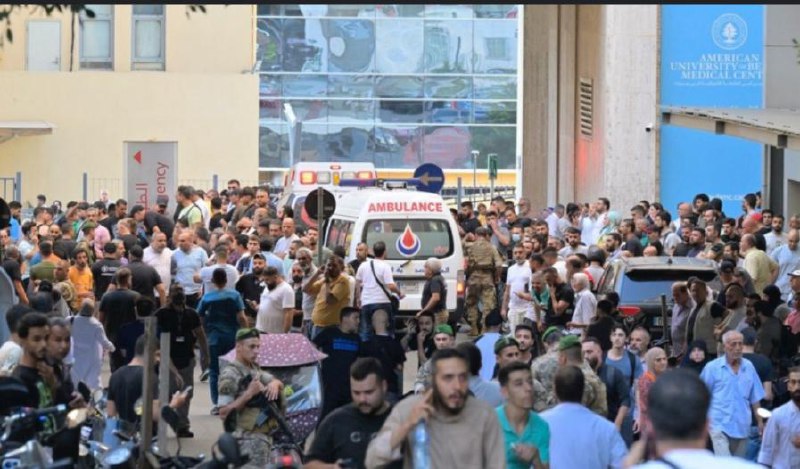
On the afternoon of September 17, 2024, thousands of pager devices exploded simultaneously. These devices were being used by individuals affiliated with various units and institutions of Hezbollah. Just 24 hours later, on September 18, thousands of walkie-talkie devices also detonated in a similar coordinated attack, targeting the same organizational network. Lebanon’s Minister of Public Health, Dr. Firas Abiad, later confirmed in a press conference that the total number of people injured by the explosions had reached 2,950.
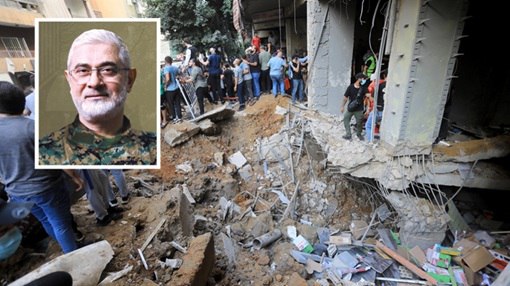
On September 20, 2024, Israeli warplanes launched an airstrike on a building in Beirut’s southern suburb (Dahieh), assassinating Ibrahim Aqil (also known as Haj Abdul Qader), as confirmed by a statement issued by Hezbollah, which mourned him along with a "group of his fellow martyrs." According to a Lebanese security source cited by local media, the number of martyrs exceeded 20. Aqil had held the position of Head of Central Training in Hezbollah in the early 1990s and played a key role in developing the resistance's human capabilities, according to Hezbollah's statement. He later served as Chief of Staff of the Islamic Resistance in the mid-1990s and led the Jabal Amel Operations Unit from 1997 until after the liberation in 2000. Beginning in 2008, he became the Assistant to the Secretary-General for Operational Affairs and was appointed a member of the Jihadi Council. He was also among the senior figures overseeing the establishment and development of the Radwan Force up until his martyrdom. Among the martyrs of the strike was Ahmad Mahmoud Wahbi (Haj Abu Hussein Samir), who held several leadership positions in the Central Training Unit until 2007 and later headed training within the Radwan Force until 2012. He continued to lead it until early 2024 and subsequently resumed leadership of the Central Training Unit following the martyrdom of Wissam Al-Tawil.
On September 19, 2024, the Israeli enemy launched two large-scale waves of intense airstrikes targeting various towns and areas across southern Lebanon. According to Israeli claims, the strikes targeted 100 launch platforms and Hezbollah military infrastructure, including 1,000 rocket launch tubes that were allegedly ready for immediate firing. In response, Hezbollah announced it had carried out 17 attacks targeting Israeli soldiers, military sites, vehicles, and settlements in the Galilee, the Golan Heights, and the occupied Kfar Shouba Hills. This marked the highest number of attacks launched by Hezbollah in a single day in the previous 98 days.
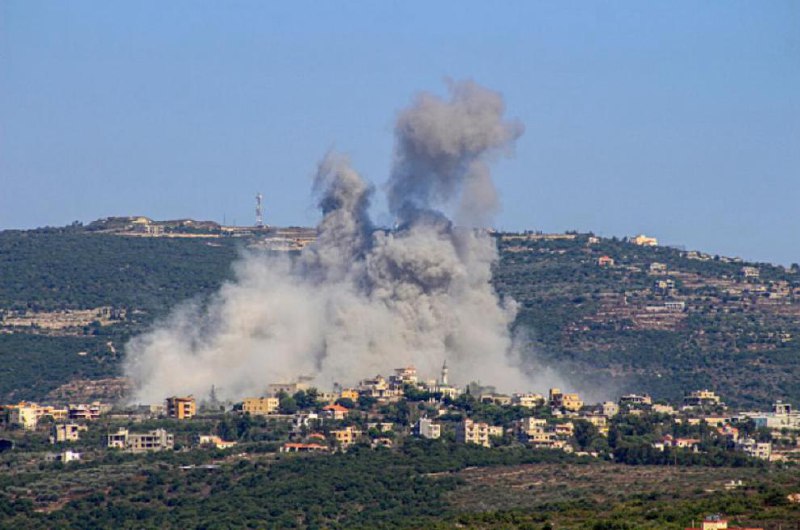
On September 23, 2024, the Israeli army launched hundreds of airstrikes, claiming they targeted Hezbollah positions in Lebanon. That evening, the Israeli military named its operation “Northern Arrows,” while Hezbollah referred to it as “Awwli Al-Ba’s” (Men of Valor). The Israeli assault came in the form of multiple waves throughout the day, beginning in the early morning hours with a series of airstrikes on dozens of areas across southern Lebanon. On the same day, Israeli warplanes carried out an airstrike on a building in Beirut’s southern suburb (Dahieh), allegedly aiming to assassinate senior Hezbollah commander Ali Karaki. While Israeli media reported the operation was successful, Hezbollah issued a statement denying the claim: “In response to the Zionist enemy’s allegations regarding the assassination of our brother and Mujahid Ali Karaki, we confirm that the dear brother and commander, Haj Ali Karaki, is safe and, by God’s grace, in full health. He has been moved to a secure location.”
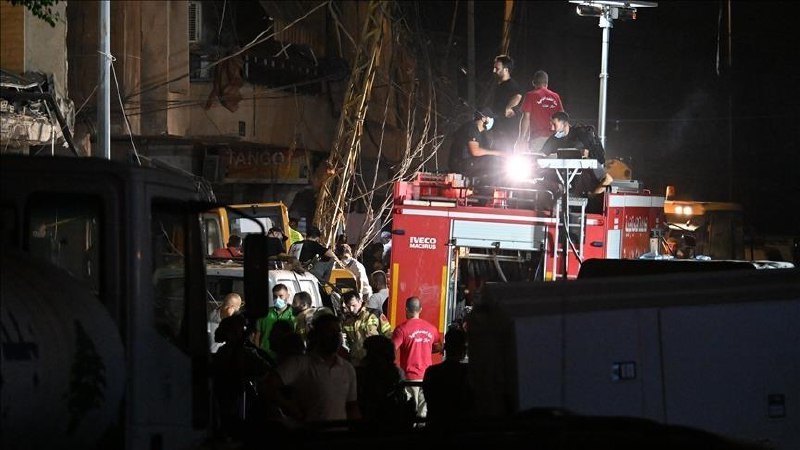
The most significant and dramatic event on September 27, 2024, occurred at approximately 6:35 PM, when Israeli warplanes launched intense airstrikes that were heard across Beirut and its surrounding areas. Around thirty minutes after the strikes, the Israeli newspaper Yedioth Ahronoth reported that the target of the bombing in Beirut’s southern suburb (Dahieh) was the assassination of Hezbollah Secretary-General Sayyed Hassan Nasrallah. Meanwhile, Channel 12 reported that the Israeli army was investigating whether Sayyed Nasrallah had been inside the targeted building at the time of the attack. The Israeli Army Radio later stated that several F-35 fighter jets had carried out the operation using bunker-busting bombs.
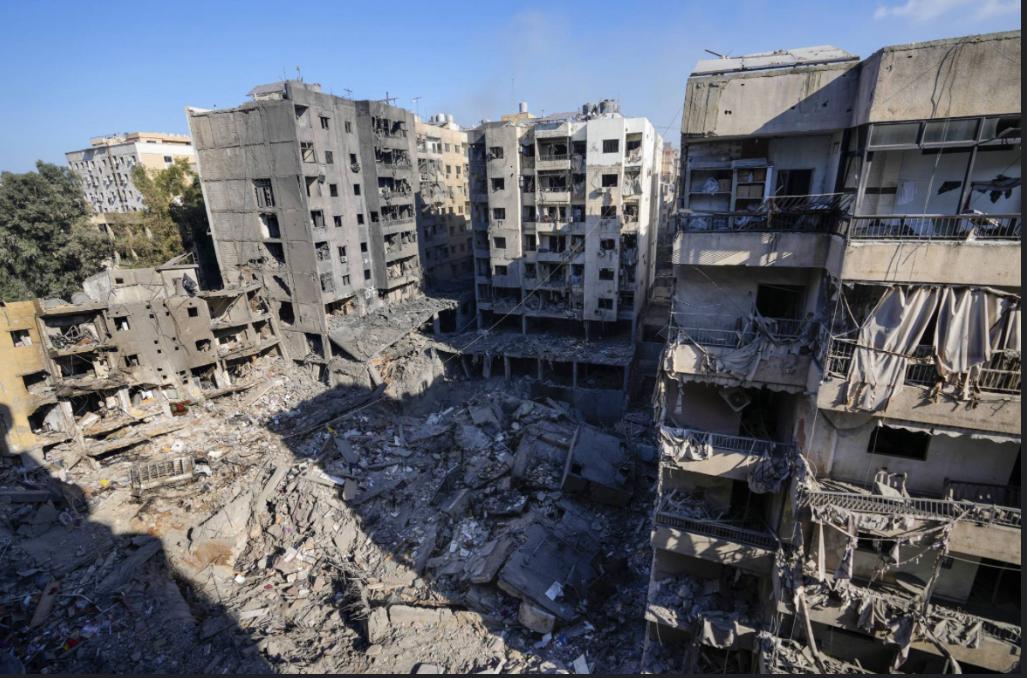
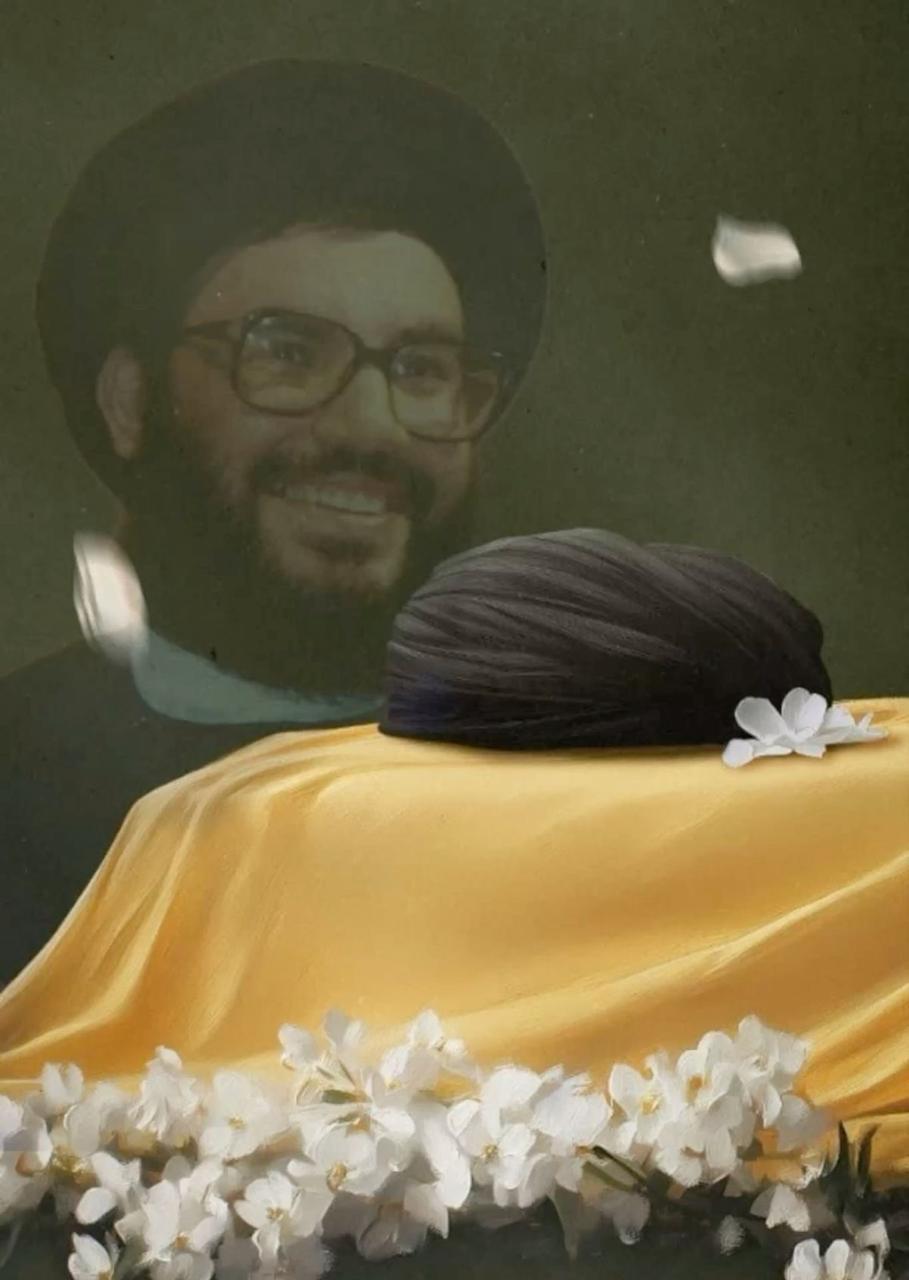
On the afternoon of the following day, September 28, 2024, Hezbollah officially announced the martyrdom of its Secretary-General, Sayyed Hassan Nasrallah. The statement read: “His Eminence, the Sayyed of the Resistance, the righteous servant of God, has departed to his Lord and His eternal mercy a great martyr, a brave and wise leader, a man of insight and faith, joining the eternal, radiant caravan of Karbala’s martyrs on the divine path of prophets and Imams.” The statement continued: “His Eminence, Sayyed Hassan Nasrallah, Secretary-General of Hezbollah, has joined his great, immortal fellow martyrs—those he led for nearly thirty years, taking them from victory to victory. He succeeded the Master of the Islamic Resistance Martyrs in 1992 and led the movement through the liberation of Lebanon in 2000, the Divine Victory in 2006, and every battle of honor and sacrifice thereafter, up to the current battle of steadfastness and heroism in support of Palestine, Gaza, and the oppressed Palestinian people.
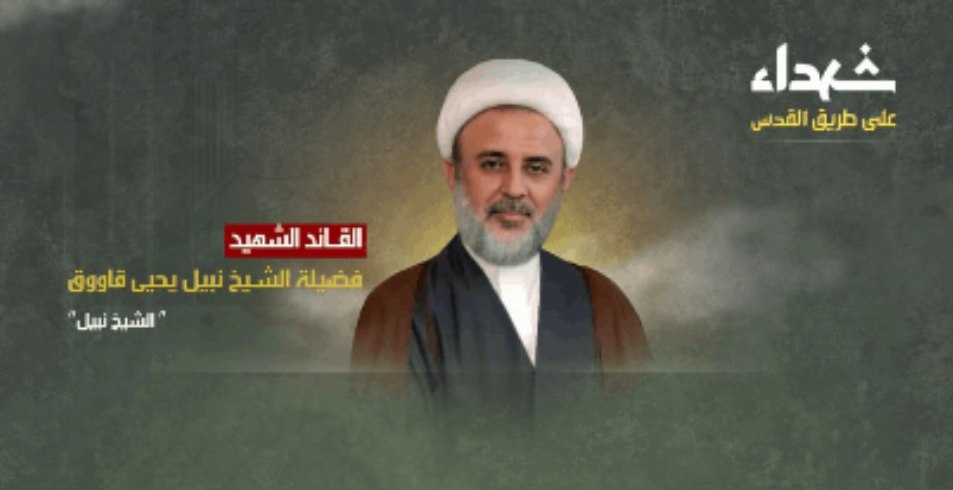
On the same day, the head of the Preventive Security Unit in the Islamic Resistance, Sheikh Nabil Qaouq, was assassinated in an airstrike on Beirut’s southern suburb (Dahieh). He had served as Hezbollah’s regional leader for South Lebanon from 1991 until 2010, and later held the position of Deputy Head of the Executive Council in Hezbollah until 2018.
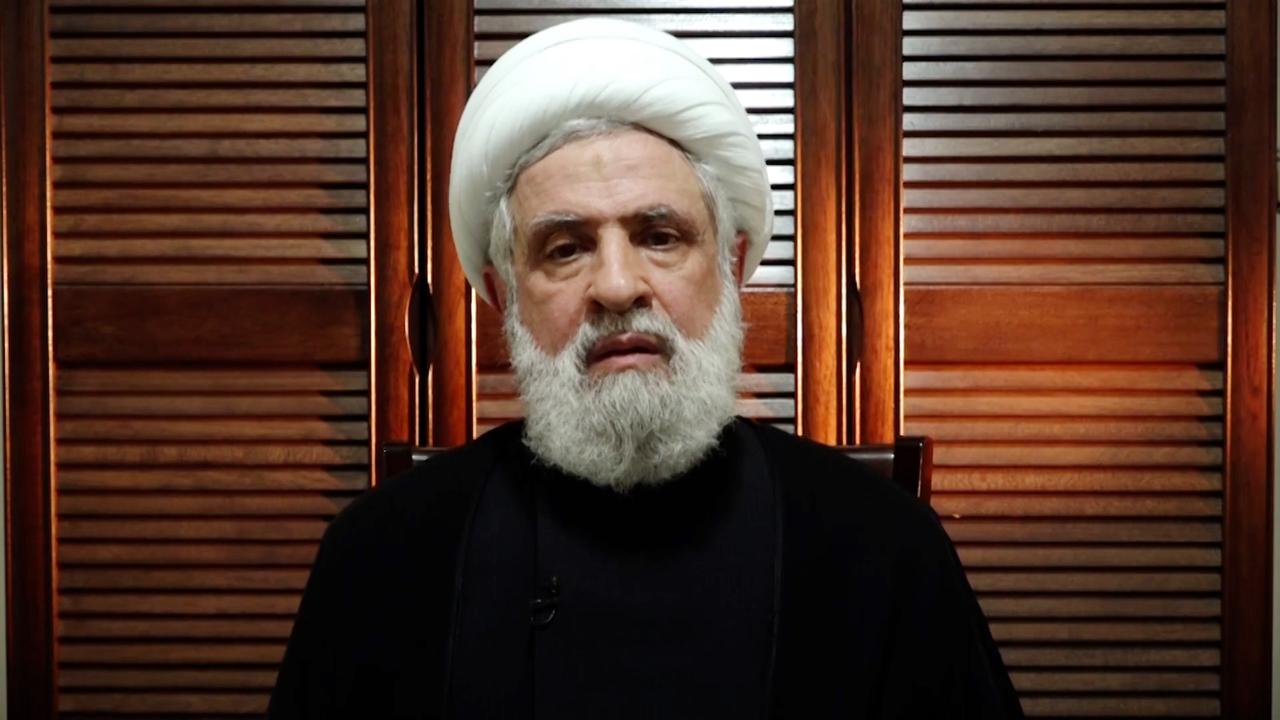
On September 30, Sheikh Naim Qassem, Deputy Secretary-General of Hezbollah, delivered the first public speech by a Hezbollah official since the announcement of the martyrdom of the party’s Secretary-General, Sayyed Hassan Nasrallah, in an Israeli airstrike on Beirut’s southern suburb. In his address, Sheikh Qassem affirmed that the party possesses military plans laid out by Sayyed Nasrallah in preparation for confrontation. He emphasized that there are alternative leaders and deputies who will continue the fight and carry out these plans, adding that the party will select its new Secretary-General at the earliest opportunity.
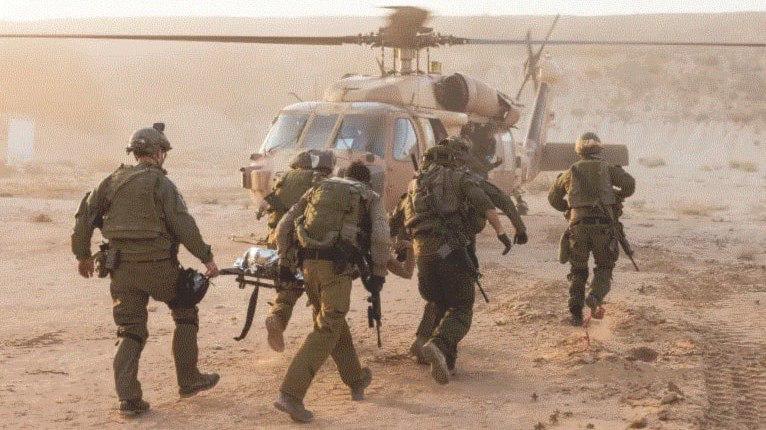
On October 1, 2024, the Israeli army announced the launch of a ground operation in Lebanon against Hezbollah. The Israeli military spokesperson for Arabic media, Avichay Adraee, stated via the platform “X” that Israeli forces had begun a “precise and targeted” ground operation against Hezbollah targets near the southern Lebanese border. Hezbollah, however, denied that any Israeli forces had crossed into Lebanon or engaged in clashes with its fighters. A source from the Lebanese Army told Agence France-Presse on Tuesday that its units had “not detected” any Israeli incursion across the border. This was also confirmed by Andrea Tenenti, the spokesperson for the United Nations Interim Force in Lebanon (UNIFIL).
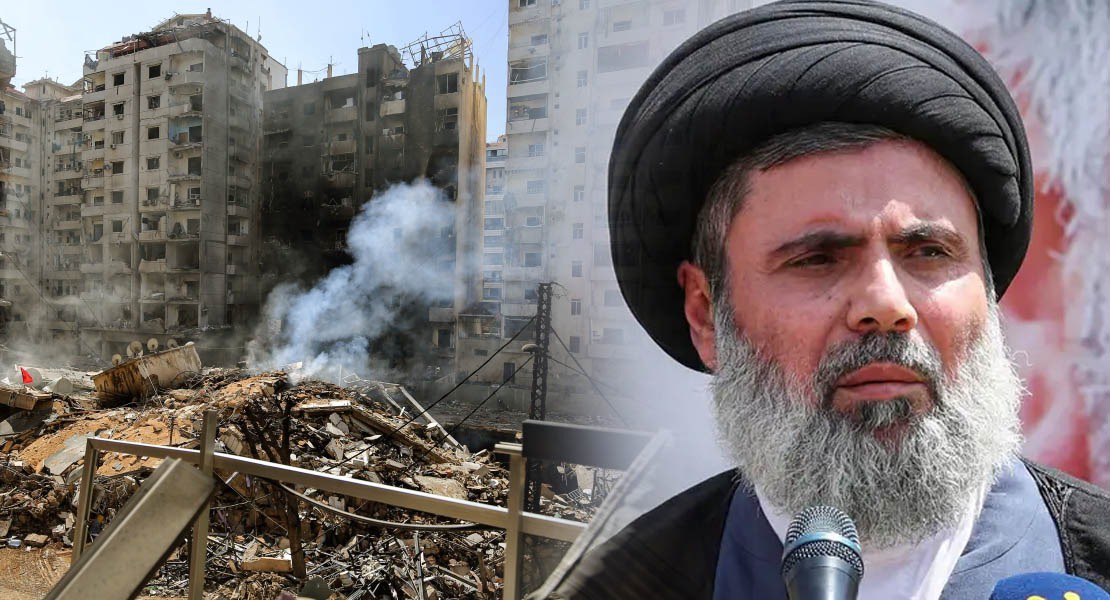
On October 3, 2024, Israeli warplanes launched heavy airstrikes on Beirut’s southern suburb (Dahieh), during which they assassinated the head of Hezbollah’s Executive Council, Sayyed Hashem Safi al-Din. His martyrdom was officially announced on October 23, 2024, in a formal statement issued by the party. In the statement, Hezbollah declared: “We mourn Sayyed Hashem Safi al-Din, who departed to his Lord alongside a group of his fellow Mujahideen in a Zionist airstrike,” without revealing the identities of the other fighters who were martyred with him.
On October 22, 2024, Hezbollah’s Media Relations Official, Muhammad Afif, claimed responsibility on behalf of the party for the Caesarea operation, during which the residence of Israeli Prime Minister Benjamin Netanyahu was targeted by a drone strike on October 19, 2024.
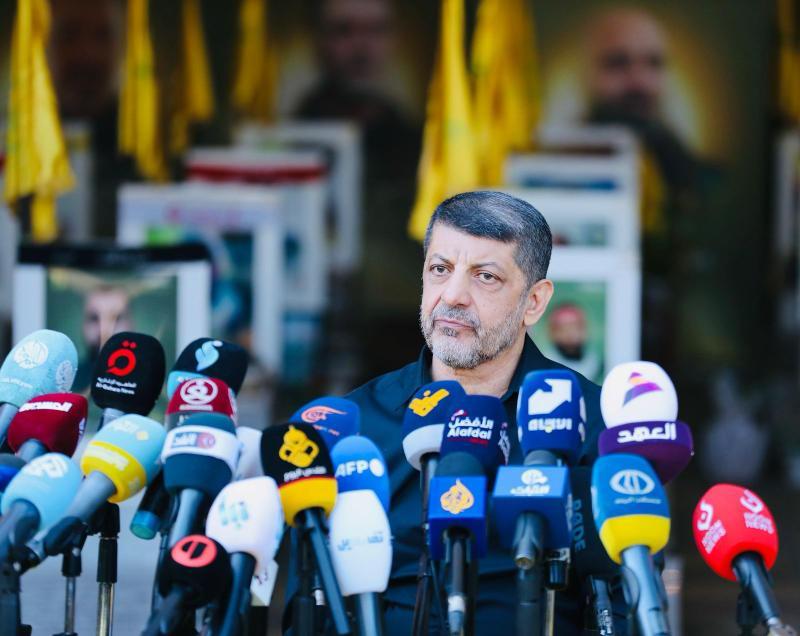
Another significant event was the election of Sheikh Naim Qassem as Secretary-General of Hezbollah, succeeding Sayyed Hassan Nasrallah. In a statement issued on October 29, 2024, the party said: "In adherence to Hezbollah’s principles and goals, and in accordance with the approved mechanism for electing the Secretary-General, Hezbollah’s Shura Council agreed to elect His Eminence Sheikh Naim Qassem as Secretary-General." The statement emphasized the commitment to "continue working to uphold Hezbollah’s principles and the goals of its path, keeping the flame of resistance burning and its banner raised until victory is achieved."
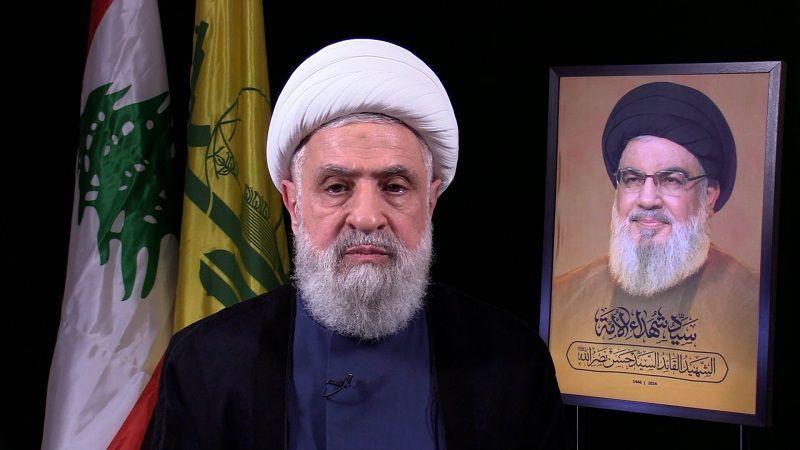
On November 17, 2024, the Israeli occupation army carried out a heavy airstrike on the Ras Al-Naba’a area in Beirut, resulting in the assassination of Hezbollah’s Media Relations Official, Muhammad Afif. Later that same evening, an electronics store belonging to Madi on Mar Elias Street was targeted, under the pretext of assassinating Mahmoud Madi, whom Israel claimed was a Hezbollah leader. However, his brother Hassan denied any party affiliation, affirming that Mahmoud was a civilian who spent most of his time working.
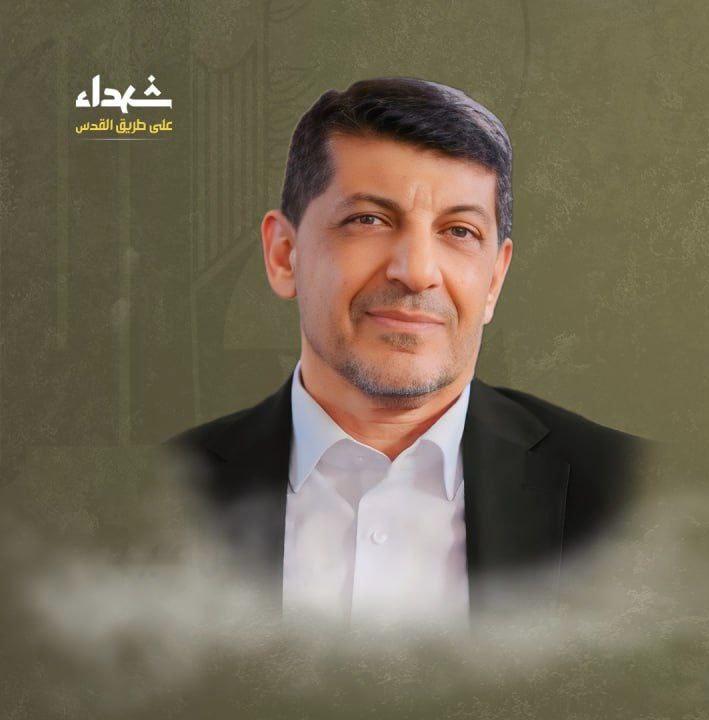
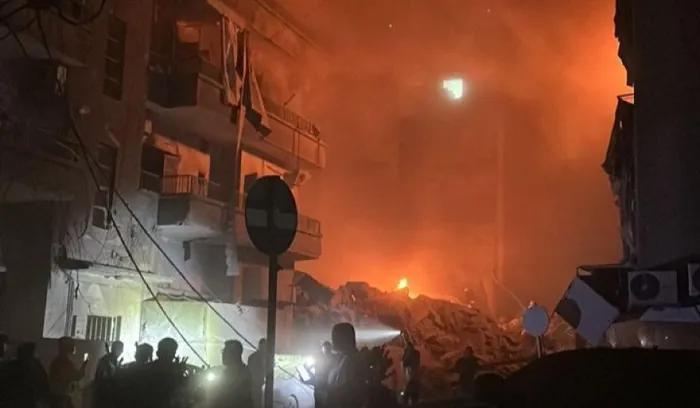
Israel carried out several airstrikes, the fiercest of which occurred on November 26, 2024, following threats announced by the Israeli army targeting multiple locations in Beirut’s administrative district. Additionally, an air assault was launched on the Nweiri area in Beirut (without prior warning), targeting a residential building, which collapsed and resulted in casualties. In line with the announced threats on Beirut, a residential apartment in the Barbour area in central Beirut was targeted, as well as the Al-Janah area near the Kuwaiti embassy. Airstrikes also hit a building in the Hamra district, the Al-Qard Al-Hassan building in the Zqaq Al-Blat area, another building on Mar Elias Street, and an apartment near the entrance to Al-Khandaq Al-Ghamiq.
At dawn on October 27, the ceasefire agreement came into effect, confirming the “Declaration of a cessation of hostilities and related commitments regarding enhanced security arrangements towards the implementation of UN Security Council Resolution 1701.